
Eight teams. One stage culture.
The competition groups of Ndigo: from ND-Minis to ND-Symphonie. By audition, intensive, and focused on growth you can see on stage.
Where dancers become stage performers.
Audition classes, team training and national and international competitions. Eight groups that work each season on choreography, technique and stage presence — guided by teachers who know what a stage demands.
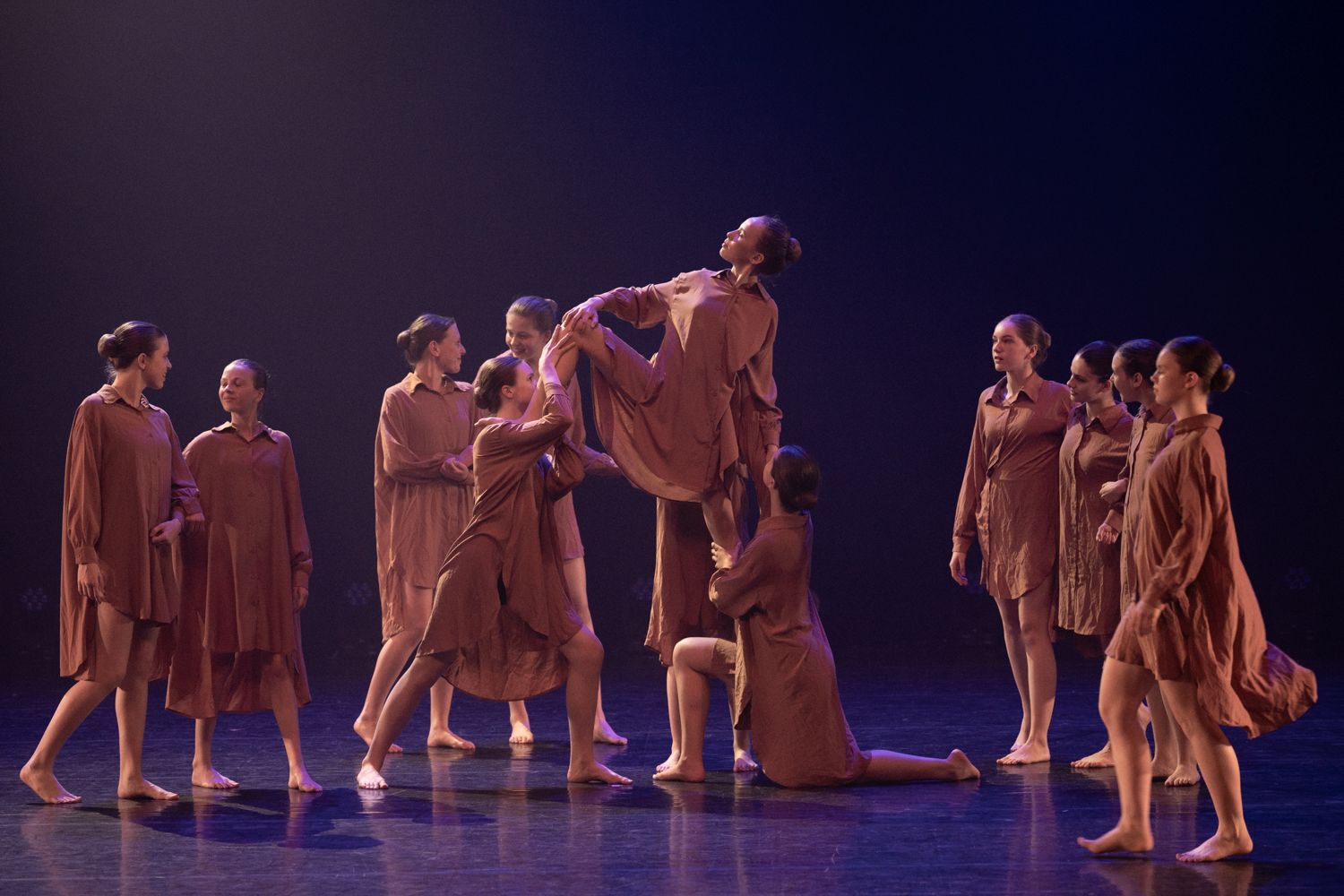 © Ndigo
 A team is not an extra class. It's a commitment to yourself and to your group. Raising the bar every week, learning every competition, growing with every stage. That takes more than talent — it takes character.— Justin & Ineke · artistic direction Ndigo Teams
Competition dance as a school for life.
The Ndigo Teams are for dancers who want more than one class a week. Dancers who seek the stage, who want to find out how far they can go, and who are willing to put in the work.
Each team trains at least once a week on top of regular classes. The choreographies are created fresh each season, tailored to the group. Competitions at home and abroad give the accountability that some dancers need to truly grow.
Auditions take place in June. Get in touch if you'd like to know more.
From ND-Minis to ND-Symphonie.
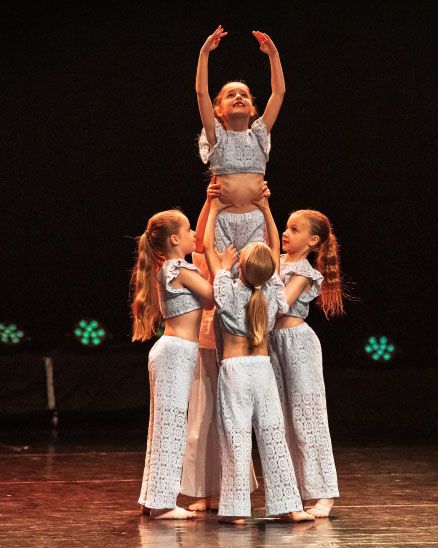
The youngest competition team. A first taste of stage work, competition pressure and working together as a group. Teacher: Emma.
Technically stronger, choreographically richer. ND-Kidz builds on the ND-Minis foundation and adds expression and detail. Teacher: Ineke.
Hip hop and urban dance at competition level. Groove, formations and stage presence with an energy of its own. Teacher: Justine.
The next step for crew dancers. More complex choreography, sharper execution, greater responsibility on stage. Teacher: Justine.
For teenagers who already have a solid base and are ready for competition work. Technique, expression and group dynamics at a higher tempo. Teacher: Justine.
Classical and modern repertoire at competition level. Refined, musical, and choreographically demanding. Teacher: Ineke.
The flagship. The most experienced dancers, the most demanding choreographies, the biggest stages. National and international. Teacher: Ineke.
Competition dance for adults. For those who want to keep competing beyond secondary school, in a group that is equally driven. Teacher: Justin.
More than winning trophies.
The trophies look great, but they're not the point. Team dance shapes dancers in a way that a regular class cannot. Here are six things your dancer takes away.
Knowing how to own a room
Projection, timing, spreading energy across an entire piece. Stage experience comes only from doing it — and our teams do it, multiple times each season.
Showing up, every week
A team counts on you. That responsibility teaches your dancer something that reaches far beyond the studio: structure, reliability, perseverance.
One piece, carried together
Formations, synchronisation, timing with each other. Team dancers learn to listen to the group and find their place within it — not solos, but a whole.
Handling pressure and feedback
A competition is tense. The jury scores, the audience watches. Dancers who learn to handle that pressure stand taller — on stage and off.
Accelerated growth
Audition classes, team training and regular classes combined push technical level further than one class a week ever could.
A crew for life
Travelling together, waiting backstage together, standing on stage together. Many of our longest dance friendships start in a team.
Proven at international level.
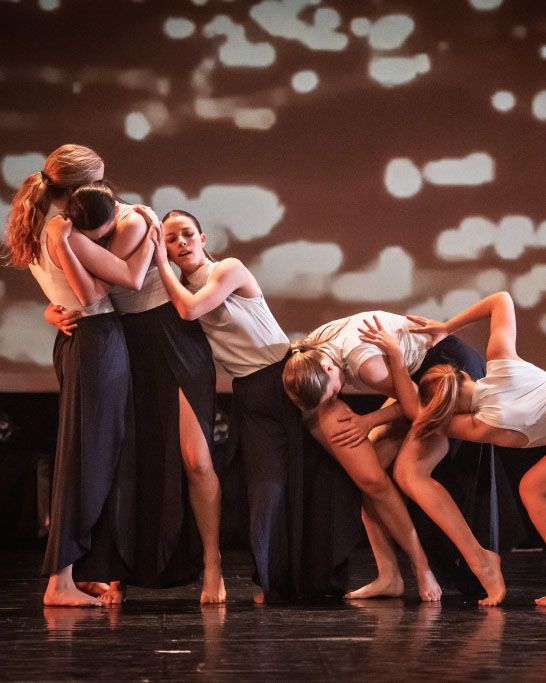
Our teams compete nationally and internationally every season. Not to collect trophies, but to grow. The results tell their own story.
Koninklijke Balletschool Antwerpen · Paris Opera Ballet School · Royal Ballet School London · Fontys Dance Academy Tilburg
What it's all about.
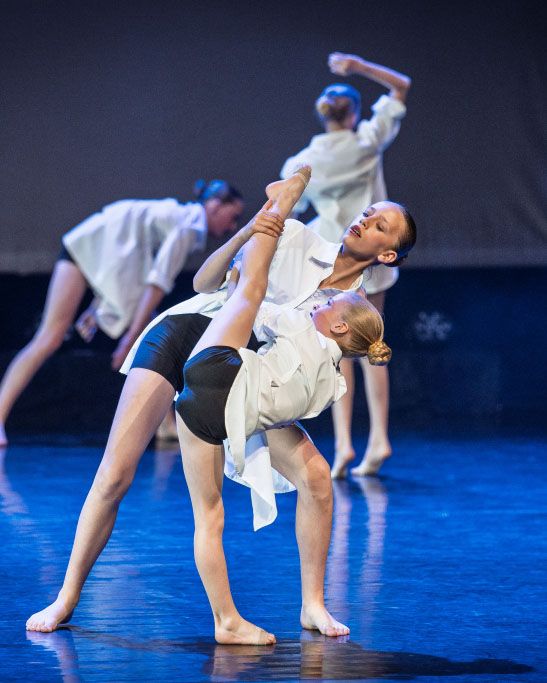
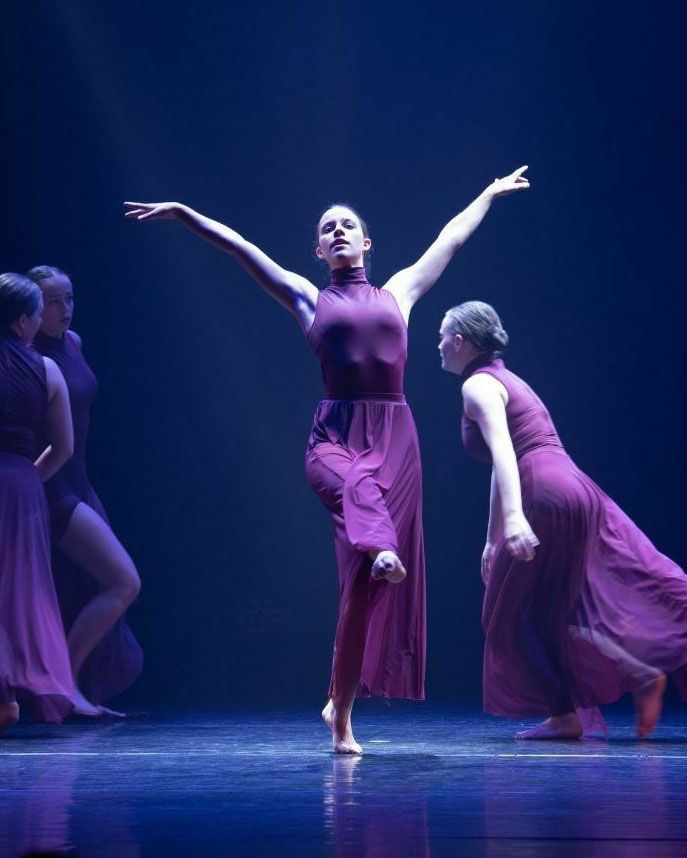
Ndigo Teams on stage. From N-Spiration to international competitions.
Questions dancers and parents often ask.
Ask for more info about auditions.
Curious whether your dancer is ready for a team? Get in touch and we'll walk you through the process, the level and what to expect.